
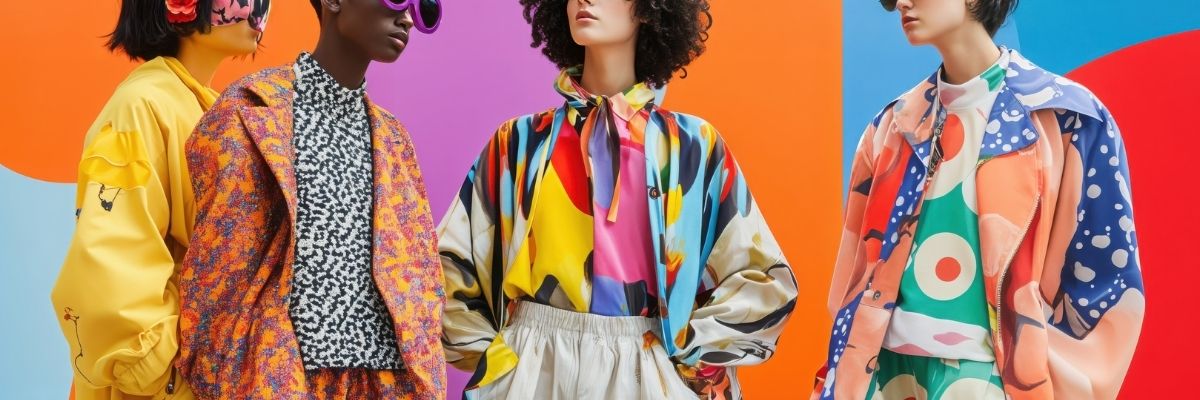
Fashion is far more than just clothes; it’s a vibrant mirror reflecting the social, political, and economic currents of our times. Each stitch, silhouette, and statement piece tells a story, offering invaluable insights into how societies evolve, express themselves, and challenge norms. Let’s embark on a journey through the decades, uncovering the profound lessons fashion has imparted.
From Corsets to Confidence: The Dawn of a New Century (1900s-1920s)
The turn of the 20th century witnessed a dramatic shift in fashion, mirroring the changing roles of women. The restrictive corsets that defined the Victorian era gradually loosened their grip, paving the way for more comfortable and liberating silhouettes. This wasn’t just about clothing; it symbolized a growing desire for freedom and independence.
- The Gibson Girl: Embodied the ideal of the athletic and independent woman.
- Paul Poiret’s Influence: Freed women from corsets with his empire-waist dresses.
- World War I’s Impact: Practicality became paramount, leading to shorter hemlines and simpler designs.
The roaring twenties roared indeed! Flapper dresses, characterized by their dropped waists, beaded embellishments, and daring hemlines, became the emblem of a generation embracing jazz music, newfound freedoms, and a spirit of rebellion. Fashion became a tool for self-expression, a way to break free from the constraints of the past.
Hollywood Glamour and Hard Times: Fashion in the 1930s and 1940s
The glamour of Hollywood heavily influenced fashion during the 1930s. Think flowing gowns, bias-cut dresses, and luxurious fabrics. This era offered a much-needed escape from the harsh realities of the Great Depression. Women sought elegance and sophistication, emulating the style icons of the silver screen.
- Bias-Cut Dresses: Pioneered by Madeleine Vionnet, creating fluid and flattering silhouettes.
- Hollywood Influence: Stars like Greta Garbo and Marlene Dietrich set the trends.
- Practicality Amidst Hardship: Resourceful use of materials and “make do and mend” mentality prevailed.
World War II brought about another wave of practicality. Rationing of fabric and other materials led to simpler designs and shorter hemlines. “Victory suits,” with their tailored jackets and straight skirts, became a symbol of resilience and unity. Fashion adapted to the needs of the time, demonstrating its ability to reflect and respond to global events.
The Post-War Boom and the Birth of Youth Culture (1950s)
The post-war era ushered in an era of optimism and prosperity, reflected in the extravagant styles of the 1950s. Christian Dior’s “New Look,” with its cinched waist, full skirt, and feminine silhouette, dominated the decade. This was a celebration of femininity and a return to pre-war glamour.
- Christian Dior’s “New Look”: A defining moment in fashion history.
- The Rise of Teen Culture: Rock ‘n’ roll and rebellious styles emerged.
- Marilyn Monroe’s Influence: Embodied the ideal of feminine allure.
However, beneath the surface of conformity, a rebellious youth culture was brewing. The emergence of rock ‘n’ roll music and icons like Elvis Presley influenced a new generation of teenagers who sought to express their individuality through fashion. Think poodle skirts, saddle shoes, and greased-back hair.
Swinging Sixties: Fashion Goes Mod and Beyond
The 1960s were a decade of radical change and experimentation, and fashion reflected this spirit of revolution. The “youthquake” shook the fashion world, with young designers like Mary Quant leading the charge. Mini skirts, bold colors, and geometric patterns became the defining features of the “mod” style.
- The Mini Skirt Revolution: A symbol of youthful rebellion and liberation.
- Space Age Influences: Andre Courreges’ futuristic designs.
- The Rise of Street Style: Fashion became more democratic and accessible.
Beyond the mod scene, the 1960s also saw the rise of hippie culture, with its emphasis on natural fabrics, bohemian styles, and anti-establishment ideals. Tie-dye, bell-bottoms, and long flowing hair became symbols of peace, love, and freedom. Fashion became a powerful tool for expressing personal beliefs and challenging social norms.
Disco Fever and Punk Rock Rebellion: The 1970s
The 1970s were a decade of contrasts, reflected in the diverse range of fashion trends. Disco dominated the early part of the decade, with its platform shoes, glittery fabrics, and figure-hugging silhouettes. This was a time for glamour, extravagance, and dancing the night away.
- Disco’s Influence: Platform shoes, jumpsuits, and shimmering fabrics.
- Punk Rock’s Anti-Fashion Stance: Torn clothing, safety pins, and rebellious attitude.
- The Rise of Designer Jeans: Denim became a fashion staple.
However, the late 1970s saw the emergence of punk rock, a rebellious subculture that rejected mainstream fashion. Punk style was characterized by ripped clothing, safety pins, leather jackets, and a general anti-establishment attitude. Fashion became a form of protest, a way to express anger and frustration.
Power Dressing and Excess: The 1980s
The 1980s were a decade of excess and conspicuous consumption, reflected in the bold and extravagant fashion trends. “Power dressing,” with its shoulder pads, tailored suits, and assertive silhouettes, became the uniform of ambitious women climbing the corporate ladder.
- Power Dressing: Shoulder pads, tailored suits, and bold accessories.
- The Rise of Athleisure: Fitness and fashion collided.
- MTV’s Influence: Music videos shaped trends and promoted designer brands.
MTV also played a significant role in shaping fashion trends during the 1980s. Music videos showcased the latest styles and promoted designer brands, influencing a generation of young people who aspired to emulate their favorite pop stars. Athleisure also gained popularity, with fitness and fashion colliding to create comfortable and stylish activewear.
Grunge and Minimalism: The 1990s
The 1990s marked a departure from the excesses of the 1980s. Grunge, a subculture that originated in Seattle, became a major fashion influence. Flannel shirts, ripped jeans, and Doc Martens became the uniform of a generation that rejected consumerism and embraced authenticity.
- Grunge’s Influence: Flannel shirts, ripped jeans, and Doc Martens.
- Minimalism’s Appeal: Clean lines, neutral colors, and simple silhouettes.
- The Rise of Streetwear: Hip-hop and skateboarding cultures influenced fashion.
Minimalism also gained popularity, with designers like Calvin Klein and Jil Sander championing clean lines, neutral colors, and simple silhouettes. This was a reaction against the extravagance of the 1980s and a desire for understated elegance. Streetwear, influenced by hip-hop and skateboarding cultures, also began to emerge as a significant force in fashion.
Fast Fashion and Individuality: The 2000s and Beyond
The 21st century has been characterized by rapid technological advancements and a globalized fashion industry. Fast fashion has made trends more accessible than ever before, but also raises concerns about sustainability and ethical production.
- The Rise of Fast Fashion: Trends become accessible quickly but raise ethical concerns.
- Increased Individuality: People mix high-end and low-end pieces, focusing on personal style.
- Social Media’s Influence: Influencers and bloggers shape trends and promote brands.
Social media has also had a profound impact on fashion, with influencers and bloggers shaping trends and promoting brands. Today, individuality is celebrated, and people are encouraged to express themselves through their personal style. Mixing high-end and low-end pieces, vintage finds, and unique accessories has become the norm.
Fashion’s Everlasting Lessons
Fashion, through its evolution across decades, has taught us profound lessons:
- Fashion is a reflection of society: It mirrors cultural, political, and economic changes.
- Fashion is a form of self-expression: It allows us to communicate our identities and beliefs.
- Fashion is a powerful tool: It can be used to challenge norms, express dissent, and promote social change.
- Fashion is cyclical: Trends come and go, but they often reappear in new and interesting ways.
- Fashion is constantly evolving: It adapts to the needs and desires of each generation.
Frequently Asked Questions
What is “fast fashion”?
Fast fashion refers to the rapid production of inexpensive clothing by mass-market retailers, often replicating trends quickly. It makes fashion accessible to more people but can raise concerns about labor practices and environmental impact.
What is “streetwear”?
Streetwear originated from skateboarding and hip-hop cultures and typically includes items like sneakers, hoodies, t-shirts, and baseball caps. It’s evolved into a significant force in the fashion industry, blending high-end and casual styles.
What is “power dressing”?
Power dressing is a style of clothing designed to project confidence and authority, particularly in professional settings. It often includes tailored suits, structured jackets, and bold accessories.
What is “athleisure”?
Athleisure is a trend that combines athletic clothing with everyday wear, creating a comfortable and stylish look. Think leggings, yoga pants, hoodies, and sneakers worn outside of the gym.
Why is fashion important?
Fashion is important because it reflects societal values, enables self-expression, and can drive economic growth. It’s a dynamic art form that continually evolves, shaping our identities and cultures.
In Conclusion
Fashion has consistently mirrored and influenced the world around us, offering invaluable lessons about society, culture, and self-expression. Embrace the past to inform your present style and create a future where fashion is both beautiful and responsible.